Diarrhea, Everything you need to know.
Have you ever had to leave class, an appointment, work or a meeting to go use the toilet or because you noticed your stomach rumblings were becoming too loud and embarrassing, lol😂😂😂, and from there you had to poo or feel like using the toilet more than 3 times that day, your stool running like tap water with loud rumblings as if Thor was summoning thunder, feel like vomiting, feel abdominal pain or cramps, and so on? Well certain to say that if we relate on this incidences, then we must have suffered diarrhea.
I guess we all have had such moments and will love to know what actually causes this, and how to stay on guard and act fast on occasions such as these.
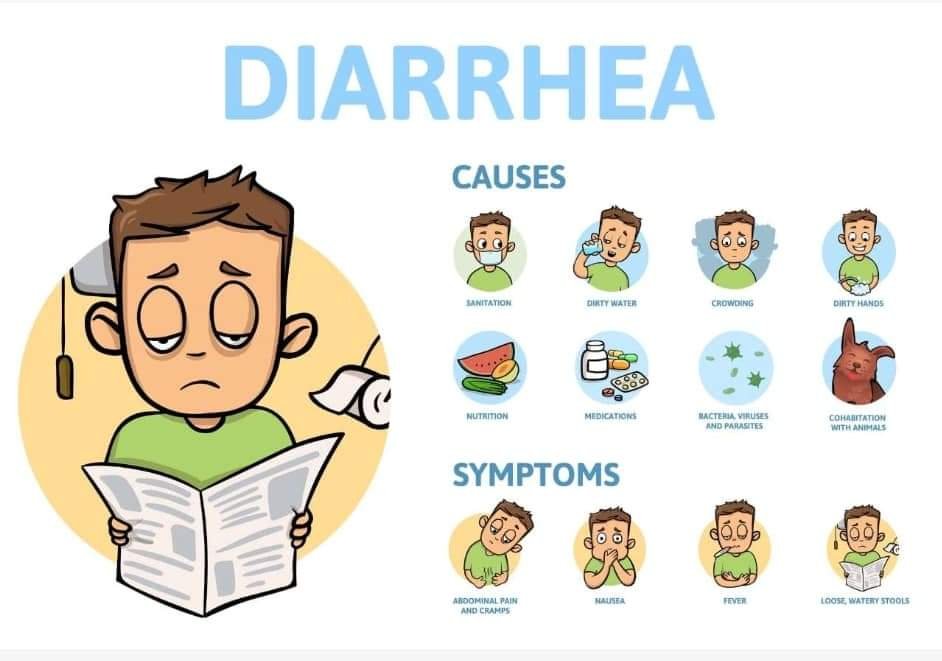
When do I know I’m having diarrhea: if you ever feel or witness these then there’s a chance you’re having diarrhea.
Urgent and frequent stooling or it’s urge, watery stool, stomach rumbling, nausea/ vomiting, abdominal pains/cramps, fever and chills, dizziness or fainting, fatigue and bloating.
Are there types of diarrhea I need to know? Yes. Diarrhea can be classified into:
*Acute diarrhea: most common and doesn’t usually require special treatment, it usually lasts a day or two and resolves on its own
*Persistent diarrhea: this lasts for about 3 to 4 weeks and requires special attention or treatment.
*Chronic diarrhea: this comes and goes regularly and could last a lifetime, usually has triggers and is associated with some underlying conditions, needs special treatment.
Who can suffer diarrhea?;well anyone can suffer diarrhea, adult, child or infant. However it is more severe or can turn out to be life threatening in infants and the elderly because of the body’s inefficiencies in regulating body water at these ages.
What is the cause of Diarrhea? Bacterial infection of the gastrointestinal tract (salmonella spp, shigella),viral infections (usually rota virus),parasitic infections, these 3 are usually food borne infections, in that they are transmitted via contaminated food and drinks.
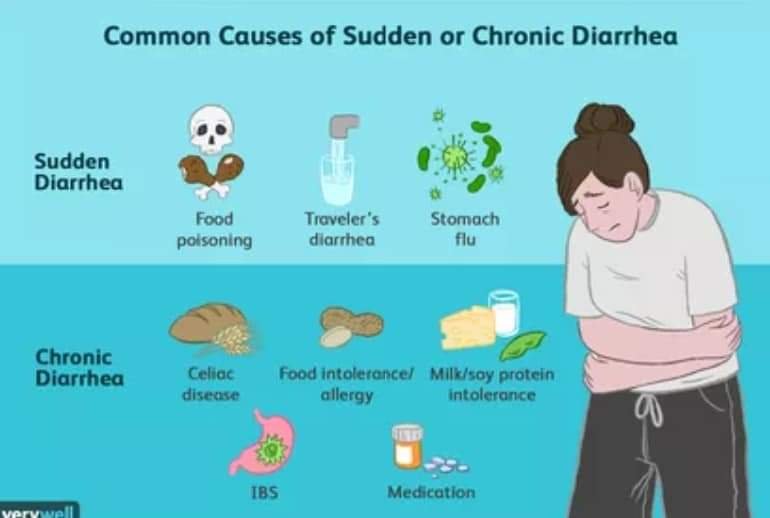
Food allergies, some people maybe allergic to foods such as grains, cereals , cow milk and diary products, sea food and egg and can trigger diarrhea.
Intolerances; lactose intolerance, fructose intolerance.
Digestive tract problems; Celiac’s disease, Chron ‘s disease, irritable bowel syndrome, ulcerative colitis and small intestinal over growth.
Long term use of some medications. Such as antibiotics, laxatives and chemotherapeutic drugs for cancer.
Complications of Diarrhea:
Dehydration; due to frequent stooling fluid and body electrolytes (sodium, potassium,calcium,etc) are lost in excess, and this results in the feeling of tiredness or fatigue accompanied by the sensation of thirst. Dehydration can be in stages, mild and severe, the latter can be fatal and might result in fainting, dizziness, confusion or delirium and must be handled as an emergency.
How do I diagnose diarrhea?,well for the acute and mild form of diarrhea,you usually do not require an expert to diagnose this for you, except in cases of blood in stool, very foul smelling stool or black stool, and severe dehydration. In the other forms of diarrhea you’ll require a doctor to diagnose and prescribe treatment as these forms usually involve underlying conditions. A stool test, blood test, endoscopic test or breathing test can be used to determine the reason for the diarrhea.
This is to say sometimes diarrhea might be a symptom of an underlying condition and not necessarily an outright illness.
How do I treat or manage diarrhea? For the mild or acute form of diarrhea, a simple over the counter medication such as Bismuth salicylate or pepto-Bismol, or loperamide hydrochloride can help reduce bowel movement and reduce the frequent watery stools. An overdose of the afore mentioned drugs can result later in constipation.
For the other forms, you should schedule an appointment with your doctor and specific treatment will be prescribed.
Do’s and Don’ts when suffering diarrhea.
Do’s
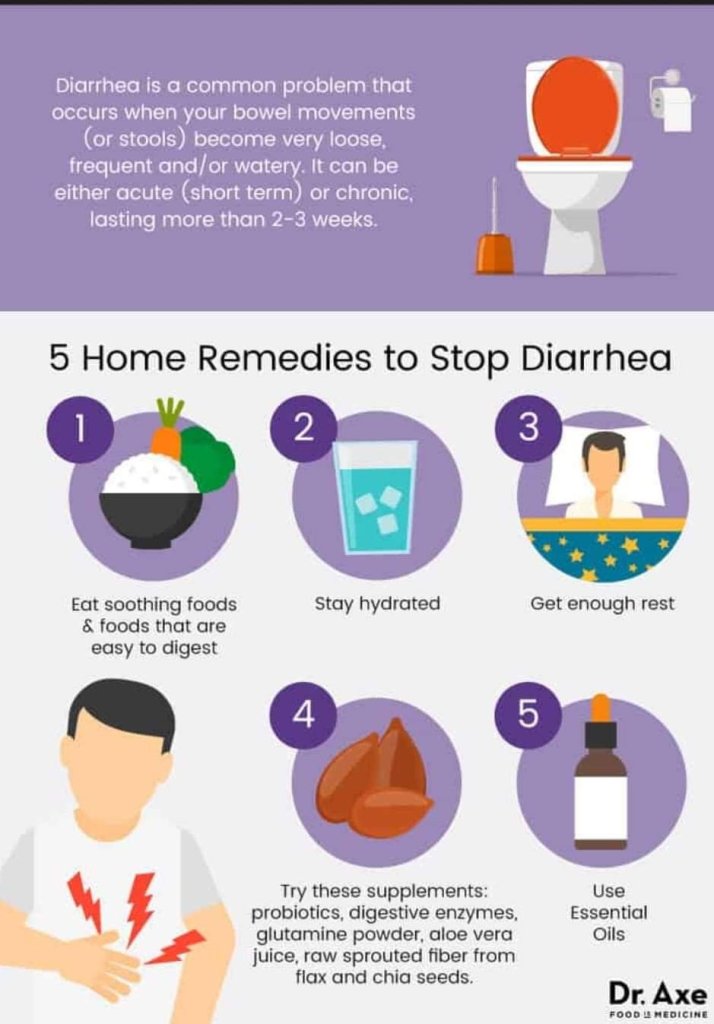
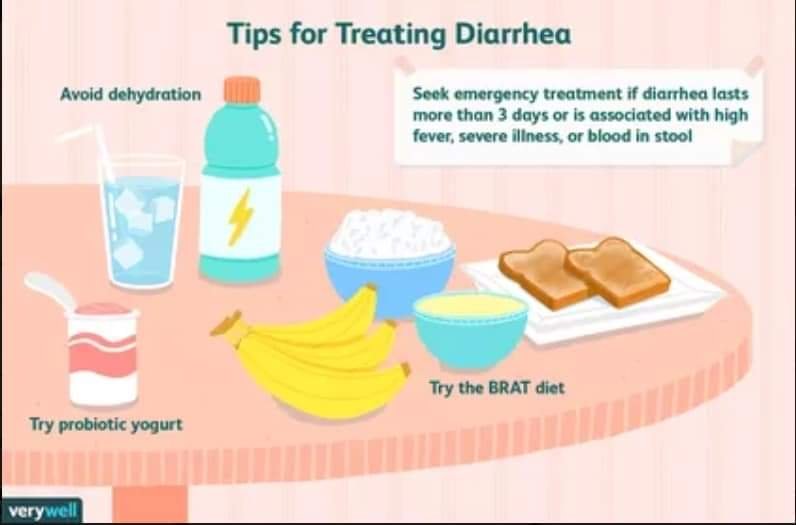
Stay hydrated, via intravenous or oral rehydration solutions, there is a commercially sold oral rehydration powder, that can be dissolved in water following the directives on its packaging.
Drink enough/plenty water.
Drink caffeine free electrolyte balanced sodas.
Eat potatoes, white rice, bread, noodles, chicken or turkey without skin, fish.
Don’ts:
Strongly avoid caffeinated drinks ,as they can produce laxative or diarrhea like symptoms. Coke, coffee, green tea and also chocolates.
Change diet; avoid fatty, fried or greasy foods, avoid foods that make you fart or increase stomach gas; beans lovers association no be for diarrhea ooo…, cabbage, brussels, beer (ndi hero and Heineken), carbonated beverages, diary products such as milk,cheese,etc(sometimes diarrhea can make us unable to digest milk temporarily- lactose intolerance).
Can I prevent diarrhea? Yes!
*Washing your hands always can help you prevent hand to mouth or food borne infections. Wash hands with soap and water ,this is good hygiene.
*Get vaccinated; viral infection via rota virus can be prevented by getting vaccinated against rota virus, it is usually given to infants at several stages of first year if life, so there’s a chance you are already vaccinated already, if not so, get vaccinated.
*Store your food properly, and avoid eating spoilt food, ndi let it spoil in my stomach gang, this one is for you people. If food isn’t stored at the right temperature it will spoil, egusi soup lovers you know this.
*Watching what you eat when you travel, especially for fruits you and hand processed foods, African salad for example, avoid them in places you’re unsure of their hygiene. It’s better to eat processed foods when you’re unsure of food preparation hygiene.
Always remember to see a doctor if all the tips here prove unsuccessful, health is wealth, don’t pay the price.
Share and invite friends to follow this page, I’m open to questions and more contributions let’s keep our community healthy.
 know your Health info& Awareness Blog